The Fear of the Cold Shower
In any electrification sales conversation, the Heat Pump Water Heater (HPWH) is usually the hardest sell. The homeowner isn’t worried about the carbon footprint; they are worried about their teenager taking a 20-minute shower.
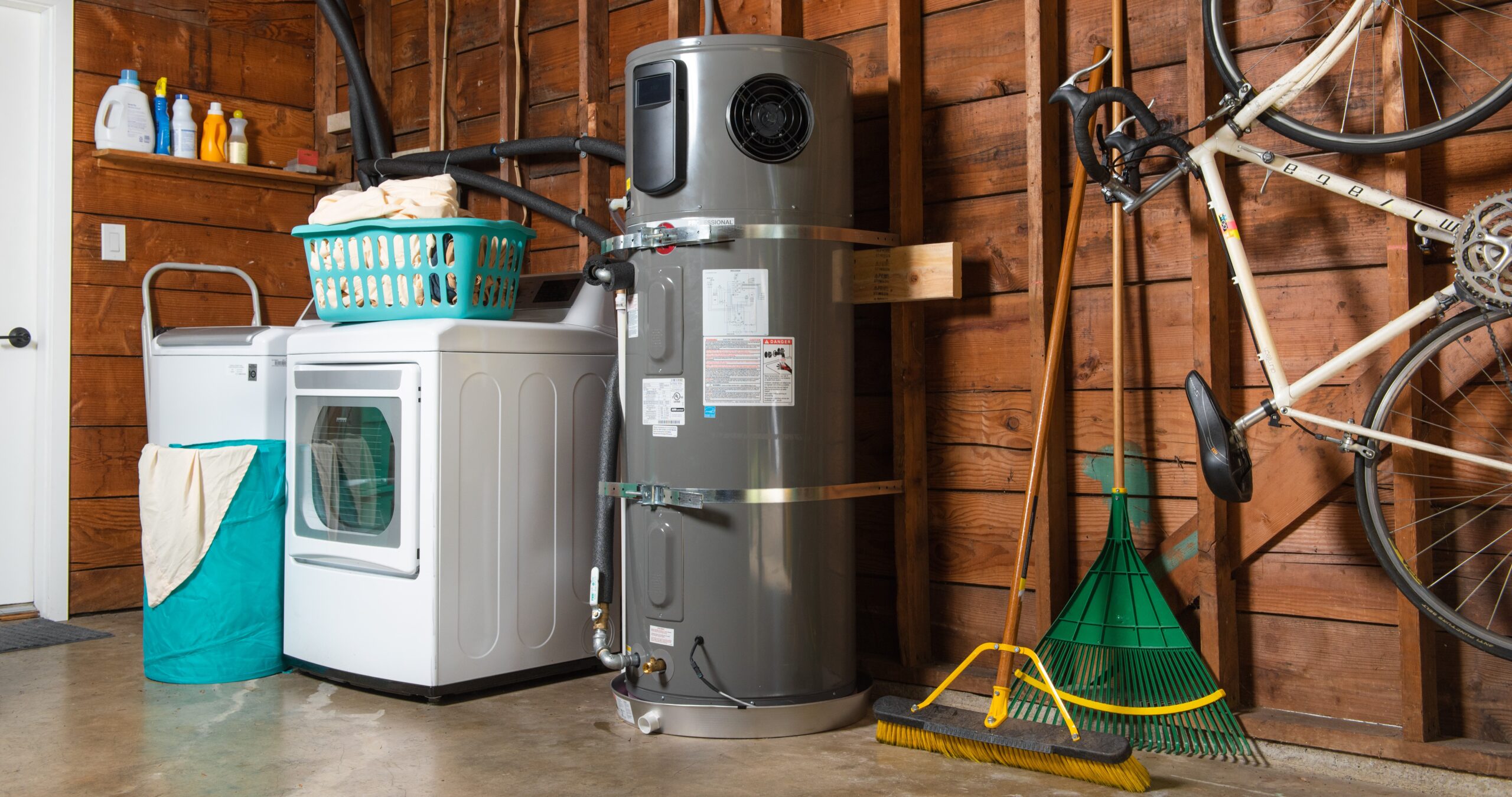
They ask: “Will it keep up?” And too often, the honest answer from an inexperienced contractor is: “Not as well as your gas unit.”
This is where the “Implementation Gap” widens. A standard gas water heater has a high recovery rate—it burns fuel rapidly to heat water as you use it. A heat pump is a marathon runner, not a sprinter. It heats water slowly and efficiently over time. If you simply swap a 50-gallon gas unit for a 50-gallon heat pump unit and leave it at standard settings, the homeowner will notice the difference. And that leads to callbacks.
The Science: BTUs vs. Time A typical residential gas burner might dump 40,000 BTUs into the tank. A heat pump compressor might only move 4,000 to 10,000 BTUs per hour. The physics are undeniable: the recovery rate of a heat pump is significantly slower.
If we ignore this reality, we set the technology up to fail. But if we apply building science, we can turn that tank into a battery.
The Applied Reality: The Mixing Valve Strategy The solution isn’t to buy a massive, expensive commercial tank. The solution is to change how we store the energy.
At Applied Build Science, our standard for HPWH installations involves two key adjustments that cost less than $150 in parts but solve the recovery problem entirely:
- Crank the Heat: We set the tank temperature to its maximum (typically 140°F or 150°F).
- Install a Thermostatic Mixing Valve: We install a mixing valve at the outlet to blend that super-heated water with cold water, delivering a safe, standard 120°F to the fixtures.
The Result? By storing water at 150°F instead of 120°F, we are effectively increasing the tank’s capacity by 30-40% without increasing its physical footprint. A 50-gallon tank now delivers the “functional equivalent” of a 75-gallon tank.
The homeowner gets endless hot water, the tank runs in its most efficient “heat pump only” mode more often, and the risk of Legionella is virtually eliminated by the higher storage temp.
This is how we operationalize decarbonization: We don’t just swap the box; we design the system.


6 Comments
Comments are closed.